

Spine Surgeon in San Antonio – Back & Neck Pain Specialist
Dr. Frank Kuwamura
At MD Spine Care in San Antonio, board-certified spine surgeon Dr. Frank Kuwamura specializes in diagnosing and treating conditions of the cervical and lumbar spine. From back pain and neck pain to sciatica, herniated discs, and spinal stenosis, we focus on identifying the root cause and recommending conservative treatment options whenever possible before considering surgery.
Comprehensive Spine Care in San Antonio
Many patients in San Antonio seek evaluation for persistent back pain, neck pain, numbness, tingling, or leg weakness. Our goal is to determine whether symptoms are caused by disc herniation, spinal stenosis, degenerative disc disease, sacroiliac joint dysfunction, or spinal instability — and recommend appropriate treatment options.
Schedule a Spine Consultation in San Antonio Today!

Spine Conditions That Cause Back & Neck Pain
Back and neck pain can be caused by several spine conditions including sciatica, herniated discs, spinal stenosis, and degenerative disc disease.
What is Sciatica?
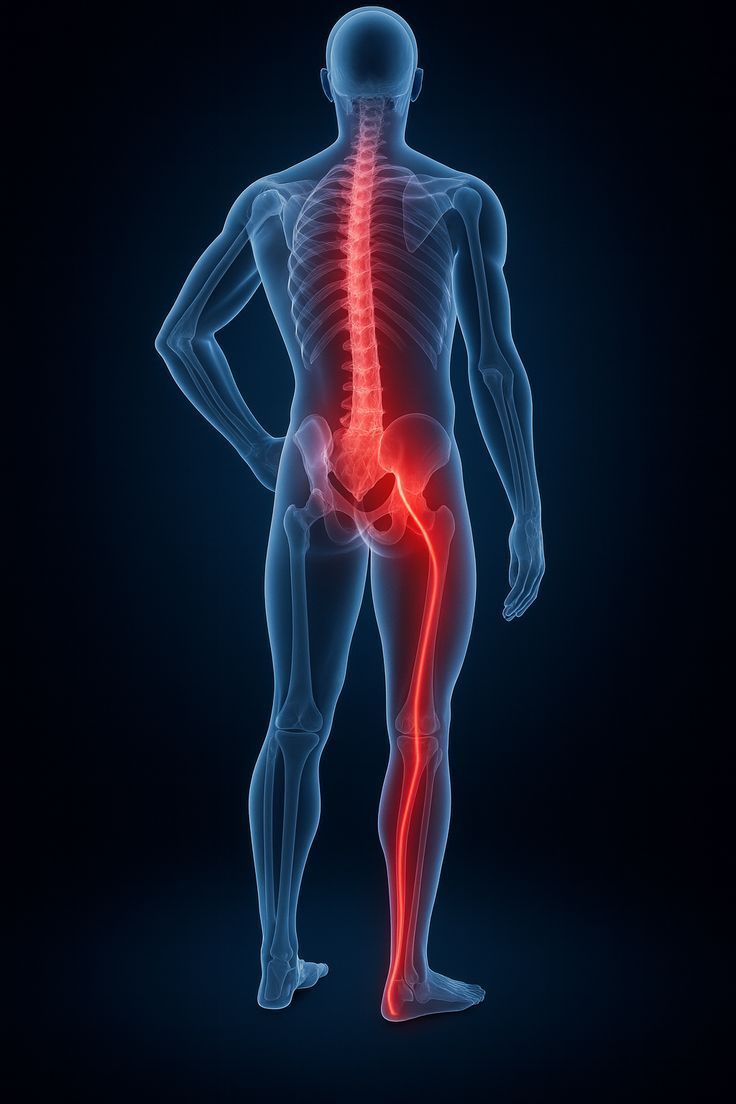
Sciatica occurs when the sciatic nerve becomes irritated or compressed, often due to a herniated disc or spinal stenosis. This condition can cause pain that radiates from the lower back into the buttock and down the leg, sometimes accompanied by numbness or tingling.
What is a Herniated Disc?
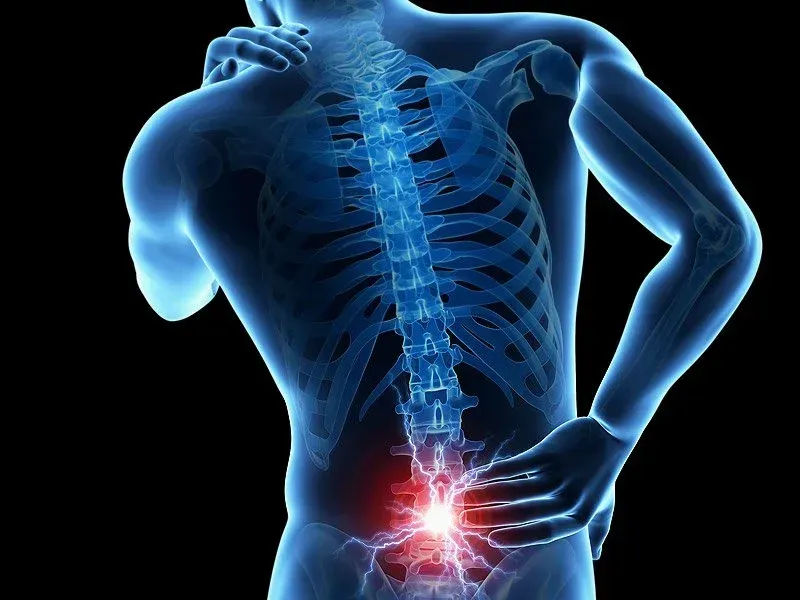
A herniated disc occurs when the soft inner portion of a spinal disc pushes through its outer layer and presses on nearby nerves. This can lead to back pain, neck pain, or radiating pain into the arms or legs depending on the location of the disc.
What is Degenerative Disc Disease?
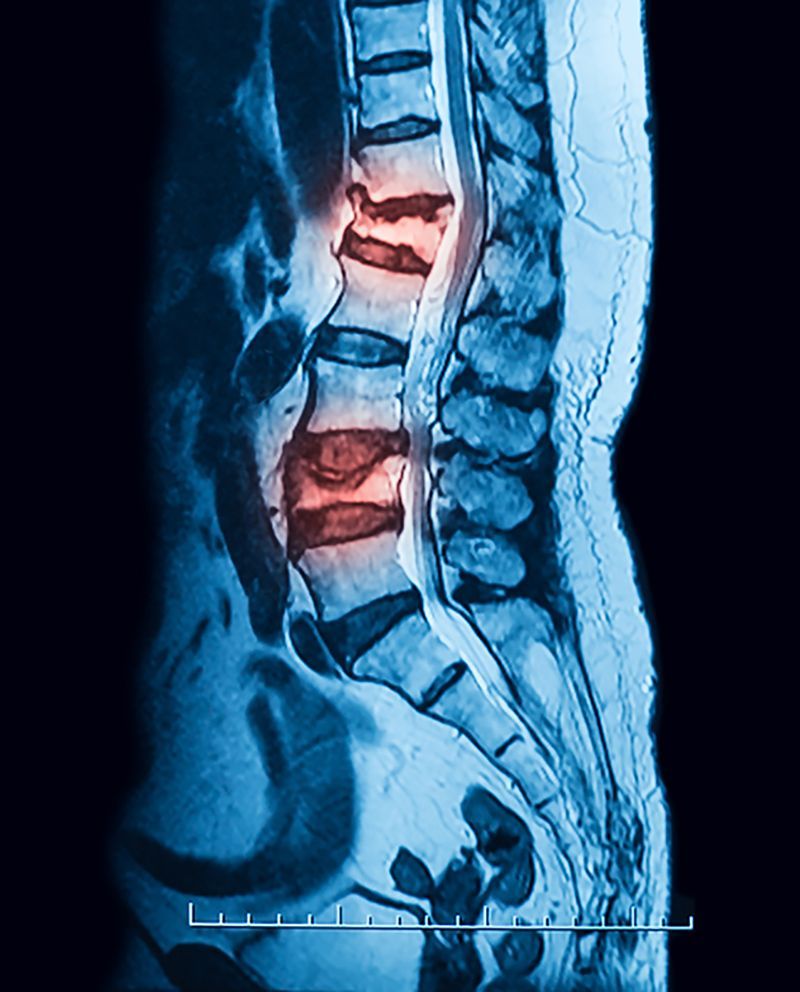
Degenerative disc disease develops when spinal discs gradually lose height and flexibility over time. This natural aging process can sometimes lead to chronic back or neck pain and may contribute to other spine conditions.
What is Spinal Stenosis?
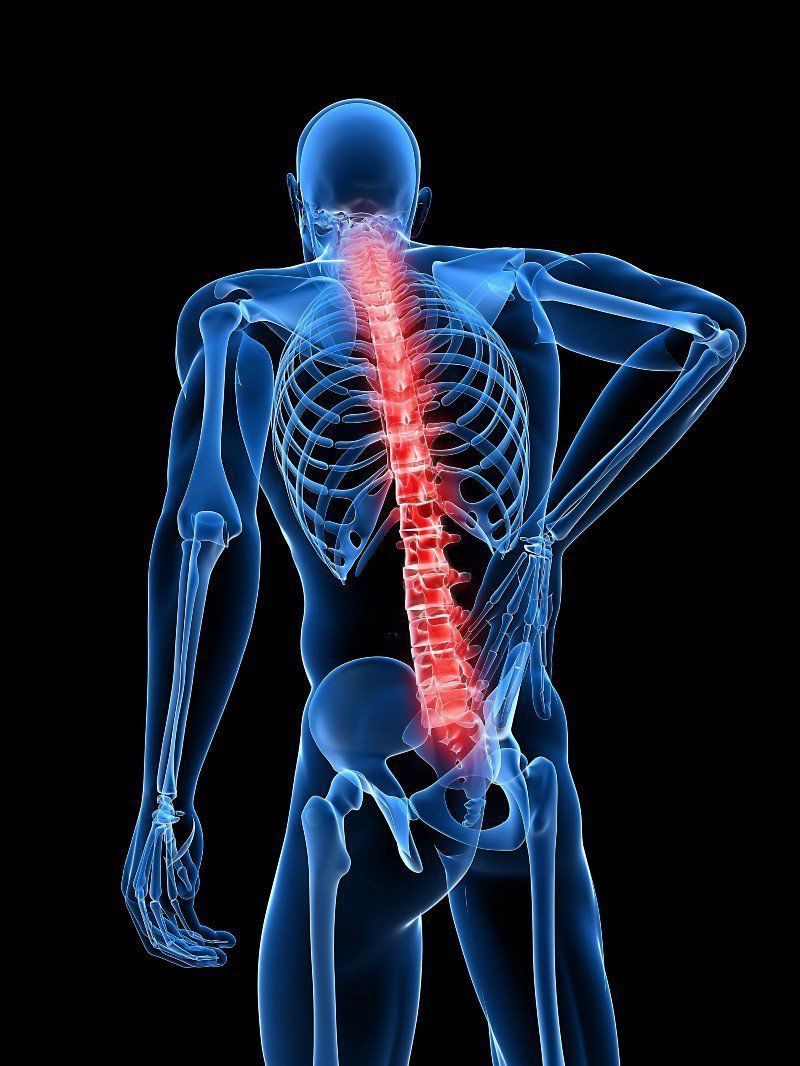
Spinal stenosis occurs when the spaces within the spine narrow and place pressure on the spinal cord or nearby nerves. This condition may cause back pain, leg pain, numbness, or difficulty walking.
Sciatica and other spine conditions can significantly impact your life. At MD Spine Care in San Antonio, Dr. Frank Kuwamura offers comprehensive evaluations and personalized treatment plans — from conservative care to advanced surgical options. Patients in San Antonio experiencing persistent sciatica symptoms should consider a comprehensive spine evaluation to determine whether nerve compression is present.
Our Medical Specialties
ORTHOPEDIC SPINE RECONSTRUCTIVE SURGERY
MINIMALLY INVASIVE ORTHOPEDIC SPINE SURGERY
ORTHOPEDIC SURGERY
CERVICAL SPINE MYELOPATHY
Spine & Back Conditions We Treat in San Antonio
At MD Spine Care, we evaluate and treat a wide range of spine conditions affecting the neck, mid-back, and lower back. Whether symptoms are caused by nerve compression, disc degeneration, spinal arthritis, or trauma, identifying the underlying condition is essential for effective treatment.
Cervical Pain (Neck Pain)
Neck pain, also known as cervical pain, can develop from disc herniation, arthritis, spinal stenosis, muscle strain, or nerve compression in the cervical spine. Symptoms may include stiffness, headaches, shoulder pain, or radiating pain, numbness, or tingling into the arms. Persistent cervical pain that lasts more than several weeks should be evaluated to determine whether the cause is muscular or related to structural spine changes. At MD Spine Care in San Antonio, we assess the underlying source of neck pain and recommend conservative treatment options whenever appropriate before considering surgery.
Lumbar Pain (Lower Back Pain)
Lower back pain, or lumbar pain, is one of the most common reasons patients seek evaluation. It may result from degenerative disc disease, herniated discs, spinal instability, arthritis, or sacroiliac joint dysfunction. Symptoms can range from localized aching to sharp pain that worsens with movement. Identifying whether the pain is mechanical, inflammatory, or nerve-related is critical for determining the right treatment approach. Patients in San Antonio experiencing persistent lower back pain may benefit from imaging and a comprehensive spine evaluation.
Cervical & Lumbar Herniated Disc
A herniated disc occurs when the inner portion of a spinal disc pushes through its outer layer and irritates nearby nerves. In the cervical spine, this may cause neck pain and arm symptoms. In the lumbar spine, it may cause lower back pain and sciatica. Symptoms often include radiating pain, numbness, tingling, or weakness. Many herniated discs improve with conservative care, including physical therapy and medication. However, persistent or worsening neurological symptoms may require further evaluation to determine whether surgical treatment is necessary.
Sciatica
Sciatica refers to nerve-related pain that travels from the lower back into the buttock and down the leg. It is typically caused by compression of the sciatic nerve due to a herniated disc, spinal stenosis, or degenerative changes in the lumbar spine. Symptoms may include sharp leg pain, burning sensations, numbness, or weakness. While many cases improve with conservative treatment, prolonged or progressive symptoms should be evaluated by a spine specialist in San Antonio to prevent long-term nerve damage.
Spinal Stenosis
Spinal stenosis is a narrowing of the spinal canal that places pressure on the spinal cord or nerve roots. In the lumbar spine, this often causes leg pain, numbness, or difficulty walking that improves when sitting. In the cervical spine, it may cause balance issues or hand weakness. Spinal stenosis typically develops gradually due to age-related degenerative changes. Treatment may include physical therapy, injections, or surgical decompression depending on severity and symptom progression.
Spinal Fractures
Spinal fractures may occur due to trauma, falls, motor vehicle accidents, or weakened bones from osteoporosis. Symptoms can include sudden back pain, limited mobility, and tenderness over the affected area. Some fractures are stable and may heal with bracing and conservative care, while others may require surgical stabilization. Early diagnosis is important to prevent further instability or nerve compression. Patients in San Antonio who experience back pain after trauma should seek evaluation promptly.
Traumatic & Auto Accident Spine Injuries
Motor vehicle accidents and traumatic injuries can cause disc injuries, ligament damage, spinal instability, or fractures. Even when initial imaging appears normal, persistent back or neck pain following an accident should not be ignored. Symptoms may develop gradually as inflammation increases. A thorough spine evaluation can determine whether structural injury or nerve compression is present and guide appropriate treatment to prevent chronic pain.
Sacroiliac (SI) Joint Dysfunction
Sacroiliac joint dysfunction occurs when the joint connecting the spine to the pelvis becomes inflamed or unstable. SI joint pain is often felt in the lower back or buttock and may mimic sciatica. Pain typically worsens with prolonged standing, walking, or transitioning from sitting to standing. Accurate diagnosis is essential because SI joint pain can be mistaken for lumbar disc problems. Treatment may include physical therapy, injections, or minimally invasive stabilization procedures when conservative measures fail.
If you are experiencing persistent back or neck pain, radiating symptoms, numbness, or weakness, scheduling a spine evaluation with MD Spine Care in San Antonio can help determine the underlying cause and appropriate treatment plan.
When to Seek Evaluation for Back or Neck Pain
You should consider evaluation by a spine specialist if pain lasts more than several weeks, radiates into the arms or legs, causes numbness or weakness, or interferes with walking or daily activities. Early diagnosis can prevent worsening nerve damage and improve outcomes.
Advanced Spine Procedures Available
When conservative treatment does not relieve symptoms, surgical intervention may be recommended. We offer advanced spine procedures designed to decompress nerves, stabilize the spine, and restore function using evidence-based techniques.

ANTERIOR CERVICAL DISCECTOMY & FUSION
What is an ACDF procedure?
An Anterior Cervical Discectomy and Fusion (ACDF) procedure is a type of cervical spine surgery from the front (anterior) of the neck (cervical) that often successfully addresses spinal symptoms. ACDF surgery is a very common procedure relative to overall spine surgeries and has a long and studied record of positive outcomes.
An ACDF surgery consists of removing the damaged disc and then growing bone between the vertebrae above and below. ACDF procedures may be performed with the use of an implant, such as a plate, to provide support until fusion occurs.

EXTREME LATERAL INTERBODY FUSION
What is an eXtreme Lateral Interbody Fusion (XLIF®) procedure?
The eXtreme Lateral Interbody Fusion (XLIF) technique is a minimally disruptive surgical procedure performed through the side of the body. It is designed to treat a range of spinal pathologies. Using patented nerve monitoring technology, the surgeon gains lateral (side) access to the spinal column, avoiding any major nerves in the area between the incision and the column.
The XLIF procedure does not require an anterior (front) or posterior (back) exposure, and thereby does not present the same risks of vascular and/or neural injury as traditional approaches.

ANTERIOR LUMBAR INTERBODY FUSION
What is an Anterior Lumbar Interbody Fusion (ALIF) procedure?
ALIF is a procedure used to treat problems such as disc degeneration, spine instability, and deformities in the curve of the spine. In this procedure, the surgeon works on the spine from the front (anterior) and removes a spinal disc in the lower (lumbar) spine. The surgeon inserts a bone graft into the space between the two vertebrae where the disc was removed (the interbody space).
The goal of the procedure is to stimulate the vertebrae to grow together into one solid bone, a process known as fusion. Fusion creates a rigid and immovable column of bone in the problem section of the spine. This type of procedure attempts to reduce back pain and other symptoms

The Healthy Neck
The Mobi-C Cervical Disc:
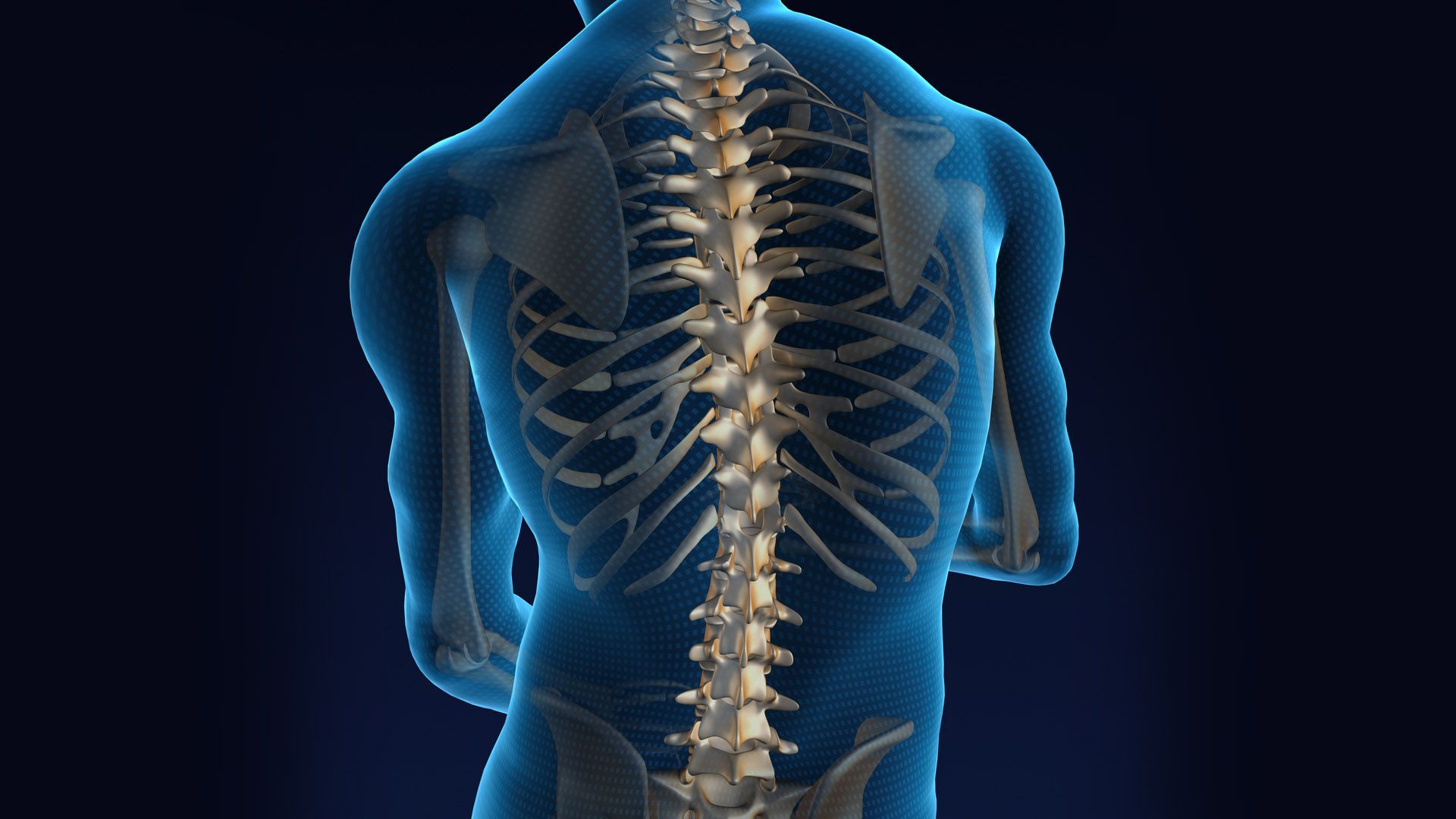
The neck (cervical spine) is made up of the bones (vertebrae), spinal cord, nerves, muscles, ligaments, and the system that carries blood (blood vessels). The top seven vertebrae make up the cervical spine and begin at the base of the skull. The vertebrae of the cervical spine protect the spinal cord and support the skull. A disc between each vertebra helps to cushion the vertebrae from moving together with the load of the body. Each disc has a strong outer ring (annulus fibrosus). The outer ring helps keep the disc’s soft center (nucleus pulposus) in place. Disc problems can start from over-use, an accident, or just the wear and tear of everyday life.
The vertebrae and the discs allow a healthy cervical spine to:
- Bend side-to-side (lateral bend).
- Bend forward-to-back (flexion and extension).
- Turn left-to-right (rotation).

Lumbar Stenosis Utilizing METRx® System
Decompression
In preparation for a spinal stenosis procedure, insert the appropriate-sized METRx® System Tube as previously described. Once the Tube is positioned, it is important to extend the laminotomy cephalad above the insertion of the ligamentum flavum.
This is to ensure resection of all hypertrophied ligamentum. After the cephalad border of the ligamentum is exposed, it can be separated from the dura using Angled Curettes or a right or left Ball Tip Dissector. The ligamentum is then resected with a 90° or 40° Kerrison Punch. To ensure complete decompression of the lateral recess, the lateral exposure should allow palpation of the inferior pedicle.

IFUSE IMPLANT SYSTEM
Do you have SI Joint Problems?
The SI joint is a significant cause of low back pain. Clinical publications have identified the SI joint as a pain generator in 15-30% of chronic low back pain patients (*1-4). In addition, the SI joint is a pain generator in up to 43% of patients with continued or new onset low back pain after a lumbar fusion (*5).
Like any other joint in the body, the SI joint can be injured and/or become degenerative. When this happens, people can feel pain in their buttock and sometimes in the low back and legs. This is especially true while lifting, running, walking or even sleeping on the involved side.
Our Specialists
Frank K. Kuwamura, III, M.D. | Raj Nangunoori, M.D.
Our spine specialists serve patients throughout San Antonio and surrounding communities, providing comprehensive evaluation and treatment for cervical and lumbar spine conditions.

Frank Kuwamura, M.D.
A leader and instructor in emerging technology and spine surgery, Dr. Kuwamura treats multiple conditions of the cervical, thoracic, and lumbar areas of the spine, including: fractures, spinal stenosis, arthritis, tumors, spinal deformities, sciatica, spinal infections, and much more. Dr. Kuwamura is fellowship trained in spine treatments from the Florida Neck and Back Institute and has been in practice for over 19 years and maintains his board certification through ongoing education and training.
Beginning his career as an orthopedic surgeon, Dr. Kuwamura is a graduate of the Boston University School of Medicine and received a Master’s Degree in Microbiology. During his distinguished career, he also served at the National Naval Medical Center in Bethesda, Maryland. Dr. Kuwamura is a pioneer and product designer for leading medical technology and is on-site at MD Spine Care to provide one-on-one consultations and patient-centered care. He is Board Certified with the American Academy of Orthopedic Surgeons and Bexar County Medical Society.

Raj Nangunoori, M.D.
Dr. Raj Nangunoori is a fellowship-trained neurosurgeon specializing in minimally invasive and complex spinal surgery. He completed advanced fellowship training at the Weill Cornell Brain and Spine Center in New York City under the mentorship of Dr. Roger Härtl, with a focus on minimally invasive spine techniques and 3D navigation technology
Dr. Nangunoori completed his neurosurgery residency and a functional neurosurgery fellowship at Allegheny General Hospital in Pittsburgh, PA. Throughout his career, he has combined surgical excellence with technological innovation, including extensive experience with robotic digital microscopy and advanced intraoperative navigation systems
In addition to his clinical practice, Dr. Nangunoori has contributed significantly to research, surgical education, and the advancement of spine and neuromodulation techniques Dr. Nangunoori is committed to delivering patient-centered, evidence-based care while utilizing the most advanced surgical technologies available.
Read full biography: "Raj Nangunoori, M.D."

Advanced & Minimally Invasive Spine Treatments
New innovative treatment option for patients suffering from radical pain due to cervical disc degeneration.
Both cervical fusion and Mobi-C Cervical Disc replace the damaged disc(s) and try to match the healthy disc height, removing pressure on the nerves. Fusion surgery typically requires an anterior metal plate to keep the interbody spacer in place and to stop movement at the surgical level(s).
In contrast, Mobi-C fits entirely within the disc space and is designed to maintain neck movement, which may help reduce adjacent levels from degenerating.
The Patient Experience at MD Spine Care in San Antonio

Schedule a Spine Evaluation in San Antonio
If you are experiencing persistent back or neck pain, schedule an appointment to determine
the cause of your symptoms and explore personalized treatment options.
Office Hours
MONDAY – FRIDAY
8 am – 5 pm
For Billing questions or concerns please contact: