
ALIF Surgery in San Antonio: What It Is, Benefits, and Who Is a Candidate
ALIF Surgery in San Antonio | MD Spine Care
ALIF Surgery in San Antonio: What It Is, Benefits, and Who Is a Candidate
Persistent lower back pain can significantly impact daily life. When conservative treatments such as physical therapy, medication, rest, or activity modification do not provide relief, surgical stabilization of the spine may be considered.
At MD Spine Care in San Antonio, Anterior Lumbar Interbody Fusion (ALIF) is one surgical technique used to treat certain degenerative lumbar spine conditions when nonoperative care has not been effective.
Understanding Lumbar Spine Pain
Many lower back symptoms are caused by:
- Degenerative disc changes
- Spinal instability
- Vertebral slippage (spondylolisthesis)
- Disc height loss
- Nerve compression
As spinal discs age, they can lose flexibility, height, and elasticity. This may lead to abnormal motion between vertebrae, inflammation, and persistent mechanical back pain.
When instability or degeneration becomes severe and conservative treatment fails, fusion surgery may be recommended.
What Is Anterior Lumbar Interbody Fusion (ALIF)?
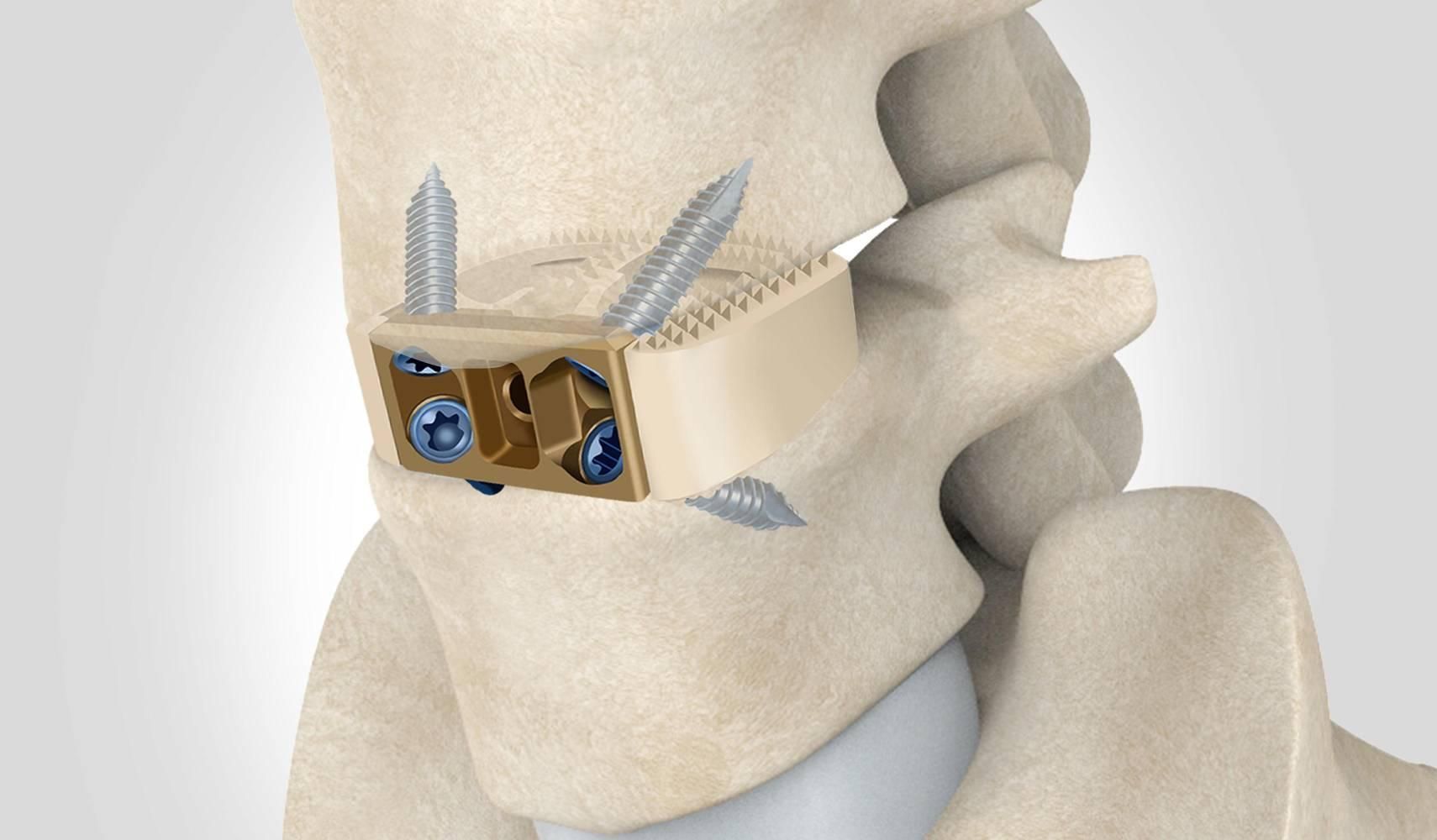
Anterior Lumbar Interbody Fusion (ALIF) is a spinal fusion procedure performed through the front of the body (anterior approach). This technique allows direct access to the lumbar disc space without disturbing the muscles of the back.
The goal of ALIF is to:
- Remove the damaged disc
- Restore proper disc height
- Stabilize the spinal segment
- Promote long-term fusion between vertebrae
How the ALIF Procedure Is Performed
While surgical details vary by patient, the general steps include:
1. Anterior Access
An incision is made in the lower abdomen to access the lumbar spine from the front.
2. Disc Removal
The diseased or damaged disc is removed to eliminate the painful motion segment and relieve pressure on nearby structures.
3. Implant Placement
An implant filled with bone graft material is inserted into the disc space. This restores disc height and provides structural support.
4. Stabilization
In some cases, screws or plates may be used to provide additional stability during the fusion process.
Over time, bone grows between the vertebrae, creating a solid fusion.
Conditions That May Be Treated With ALIF
ALIF may be appropriate for patients with:
- Degenerative Disc Disease (DDD)
- Spondylolisthesis
- Lumbar instability
- Recurrent disc degeneration
- Certain degenerative lumbar spine conditions requiring stabilization
Each case is evaluated individually to determine whether the anterior approach is appropriate.
Who Is a Candidate for ALIF Surgery in San Antonio?
You may be considered a candidate for ALIF if:
- You have persistent lower back pain that has not responded to conservative care
- Imaging confirms degenerative or instability-related changes
- Symptoms are interfering with daily function
- Surgical stabilization is indicated
A detailed consultation is necessary to determine candidacy.
Potential Benefits of ALIF
Potential benefits of the anterior approach may include:
- Direct visualization of the disc space
- Avoidance of major back muscle disruption
- Restoration of spinal alignment and disc height
- Improved stability to support fusion
Individual outcomes vary based on health status, spinal condition, and adherence to postoperative instructions.
What to Expect After ALIF Surgery
After surgery, patients are monitored in recovery before returning to their hospital room. Hospital stays vary depending on the individual and extent of surgery.
Your physician may recommend:
- Gradual return to activity
- Temporary activity restrictions
- Pain management
- Wound care monitoring
- Follow-up visits to assess healing
Fusion occurs over time as bone grows between vertebrae.
Risks and Considerations
All surgical procedures carry risks. Potential risks associated with ALIF may include:
- Anesthesia-related complications
- Infection
- Nerve or vascular injury
- Implant or hardware complications
- Persistent pain
It is important to discuss risks and benefits thoroughly prior to surgery.
Frequently Asked Questions About ALIF Surgery
What does ALIF stand for?
ALIF stands for Anterior Lumbar Interbody Fusion.
Why is the surgery performed from the front?
The anterior approach allows direct access to the disc space without disrupting back muscles.
Is ALIF a minimally invasive procedure?
ALIF is a surgical procedure performed through an abdominal incision. The specific surgical approach varies by patient.
How long does fusion take?
Fusion occurs gradually over time as bone grows between vertebrae. Healing timelines vary.
How do I know if ALIF is right for me?
A comprehensive evaluation including imaging and clinical assessment is required.
Considering ALIF Surgery in San Antonio?
If you are exploring lumbar fusion surgery in San Antonio, scheduling a consultation is the first step. During your evaluation, Dr. Kuwamura will review your symptoms, diagnostic imaging, and medical history to determine whether ALIF or another surgical option is appropriate.
To learn more about Anterior Lumbar Interbody Fusion at MD Spine Care, visit the procedure page or contact the office to schedule an appointment.
ALIF Procedure | Schedule an Appointment
This article is for informational purposes only and does not constitute medical advice. Treatment decisions should be made in consultation with a qualified spine specialist MD Spine Care.
Watch & Learn: Spine Health Video Library
Understand your symptoms, explore treatment options, and hear directly from our spine specialists.
Back Pain Causes & Treatment
Spine Treatments & Procedure Options