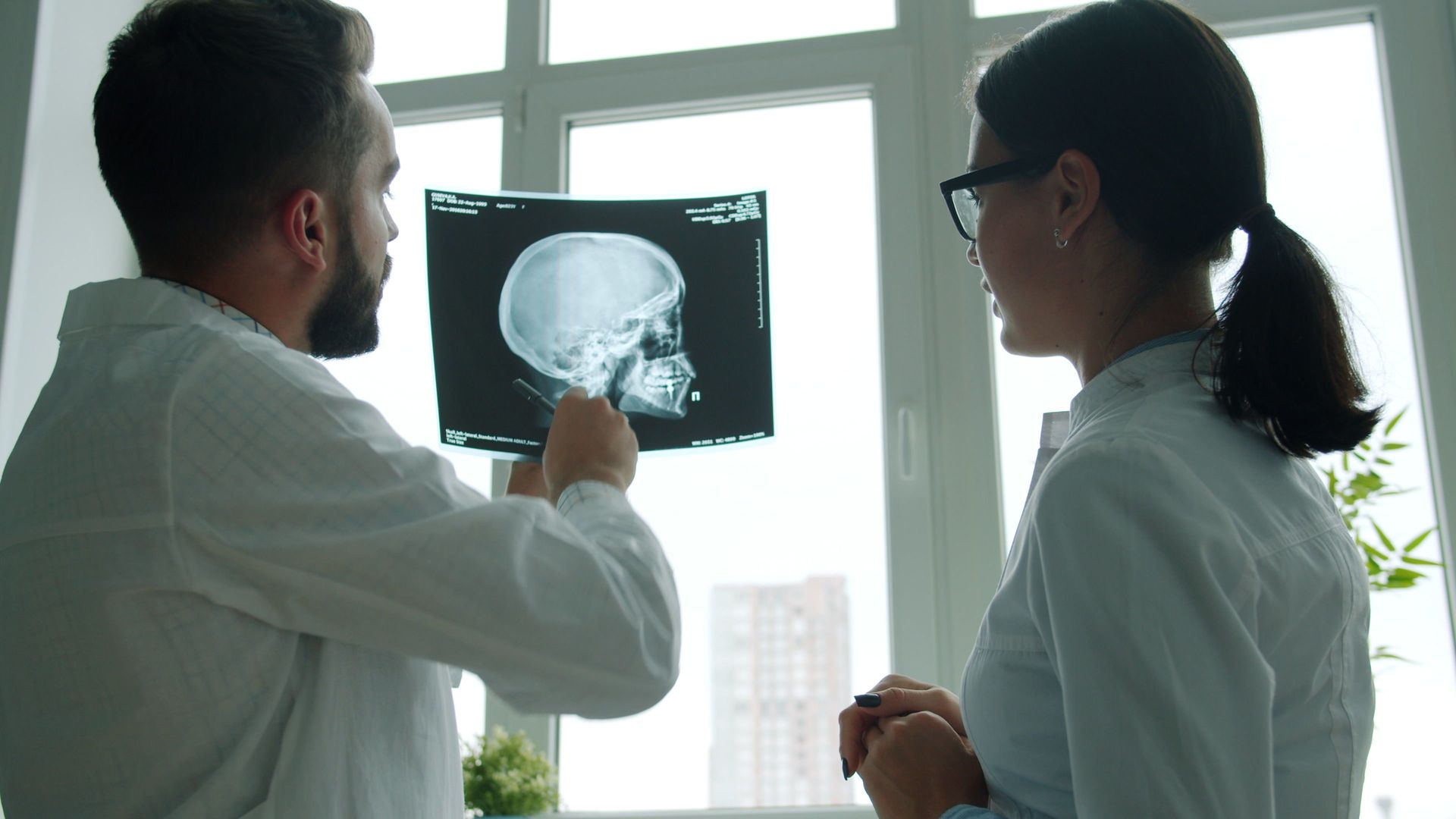
Why Does My Back Hurt? 7 Common Causes of Back Pain Explained
Wondering why your back hurts?
Back pain is one of the most common reasons people visit a doctor. In fact, nearly everyone experiences back pain at some point in their lives.
One of the first questions patients ask Dr. Frank Kuwamura is:
"Why does my back hurt?"
The answer isn't always straightforward.
Back pain can originate from several different structures within the spine, and identifying the true source of pain is one of the most important steps in creating an effective treatment plan.
Your Spine Is More Complex Than You Think
Many people assume back pain comes from a muscle strain, but the spine is made up of many different structures that can all contribute to pain.
These include:
- Muscles
- Tendons and ligaments
- Vertebrae (bones)
- Intervertebral discs
- Facet joints
- Spinal nerves
Because so many structures work together, two people with similar symptoms may have completely different causes of pain.
Muscle Strains and Soft Tissue Injuries
One of the most common causes of back pain involves the muscles and soft tissues that support the spine.
Muscle strains can occur from:
- lifting heavy objects
- repetitive movements
- sports injuries
- poor posture
- overuse
Fortunately, many muscle-related injuries improve with conservative treatments such as physician-directed exercise, physical therapy, and activity modification.
Herniated Discs
Between each vertebra is an intervertebral disc that acts as a cushion for the spine.
Dr. Kuwamura explains that these discs actually contain nerve endings.
When a disc becomes damaged or injured, it can become painful on its own.
In some cases, the disc may also herniate and place pressure on nearby nerves.
Common symptoms include:
- lower back pain
- pain while sitting
- sciatica
- numbness
- tingling
👉 Learn more about Herniated Disc Treatment
Pinched Nerves
Sometimes the source of pain isn't the disc itself—it's the nerve next to it.
A herniated disc or bone spur may place pressure on a spinal nerve, leading to symptoms that travel away from the back.
These symptoms may include:
- leg pain
- arm pain
- numbness
- tingling
- muscle weakness
- sciatica
Because nerves travel throughout the body, pain may be felt far from where the problem actually begins.
Facet Joint Pain: The Cause Many People Overlook
One of the most commonly overlooked causes of back pain is irritation of the facet joints.
Facet joints are the small joints located at the back of the spine that allow each vertebra to move smoothly while providing stability.
Patients often describe facet joint pain by pointing to one side of their lower back and saying:
"It hurts when I lean backward or twist."
According to Dr. Kuwamura, these joints contain small nerve endings that can become inflamed and painful.
Interestingly, facet joint pain doesn't always appear clearly on an X-ray or MRI. This is why a thorough physical examination and evaluation are so important.
Degenerative Changes of the Spine
As we age, the discs and joints in the spine naturally undergo wear and tear.
These age-related changes may contribute to:
- stiffness
- chronic back pain
- arthritis
- decreased flexibility
- nerve irritation
Not everyone with degenerative changes experiences symptoms, but when pain develops, several treatment options may be available.
👉 Learn more about Degenerative Disc Disease
Why Finding the Source of Pain Matters
Back pain is a symptom—not a diagnosis.
Two people can both say, "My back hurts," while having completely different conditions.
For example, back pain may be caused by:
- muscle strain
- herniated disc
- spinal stenosis
- facet joint arthritis
- pinched nerves
- degenerative disc disease
Because treatment depends on the underlying cause, a comprehensive evaluation is essential.
Treatment Options for Back Pain
Fortunately, surgery is not the first treatment for most patients.
Depending on the diagnosis, treatment may include:
Physical Therapy
Strengthening the muscles that support the spine can improve stability, flexibility, and movement.
Medications
Anti-inflammatory medications may help reduce pain and inflammation.
Activity Modification
Temporary changes to daily activities may allow irritated tissues to heal.
Image-Guided Injections
Targeted injections may help reduce inflammation and assist with identifying the source of pain in certain conditions.
Surgical Treatment
When conservative treatments are no longer effective or nerve compression becomes severe, surgery may be considered based on the patient's condition.
When Should You See a Spine Specialist?
Most episodes of back pain improve with time, but persistent or worsening symptoms should be evaluated.
You should schedule an evaluation if you experience:
- pain lasting longer than several weeks
- pain that radiates into your legs or arms
- numbness or tingling
- muscle weakness
- difficulty walking
- pain that continues getting worse
Early diagnosis often leads to more treatment options and better long-term outcomes.
What is the most common cause of back pain?
Back pain can result from muscle strains, herniated discs, arthritis, pinched nerves, facet joint irritation, or degenerative spine conditions.
Can back pain come from a pinched nerve?
Yes. A pinched nerve may cause back pain along with symptoms such as numbness, tingling, weakness, or pain that radiates into the arms or legs.
What are facet joints?
Facet joints are small joints located between the vertebrae that help stabilize the spine and allow normal movement. They can become inflamed and contribute to chronic back pain.
When should I worry about back pain?
If back pain persists for several weeks, worsens over time, or is accompanied by numbness, weakness, or radiating pain, you should seek evaluation by a spine specialist.
Schedule a Spine Evaluation in San Antonio
Back pain doesn't have just one cause—and effective treatment starts with an accurate diagnosis.
At MD Spine Care, Dr. Frank Kuwamura and our team provide comprehensive evaluations to determine the source of your pain and recommend treatment options based on your individual condition.
Whether your symptoms are caused by a muscle strain, herniated disc, pinched nerve, or facet joint irritation, we're here to help you understand your options.
Watch & Learn: Spine Health Video Library
Understand your symptoms, explore treatment options, and hear directly from our spine specialists.
Back Pain Causes & Treatment
Spine Treatments & Procedure Options