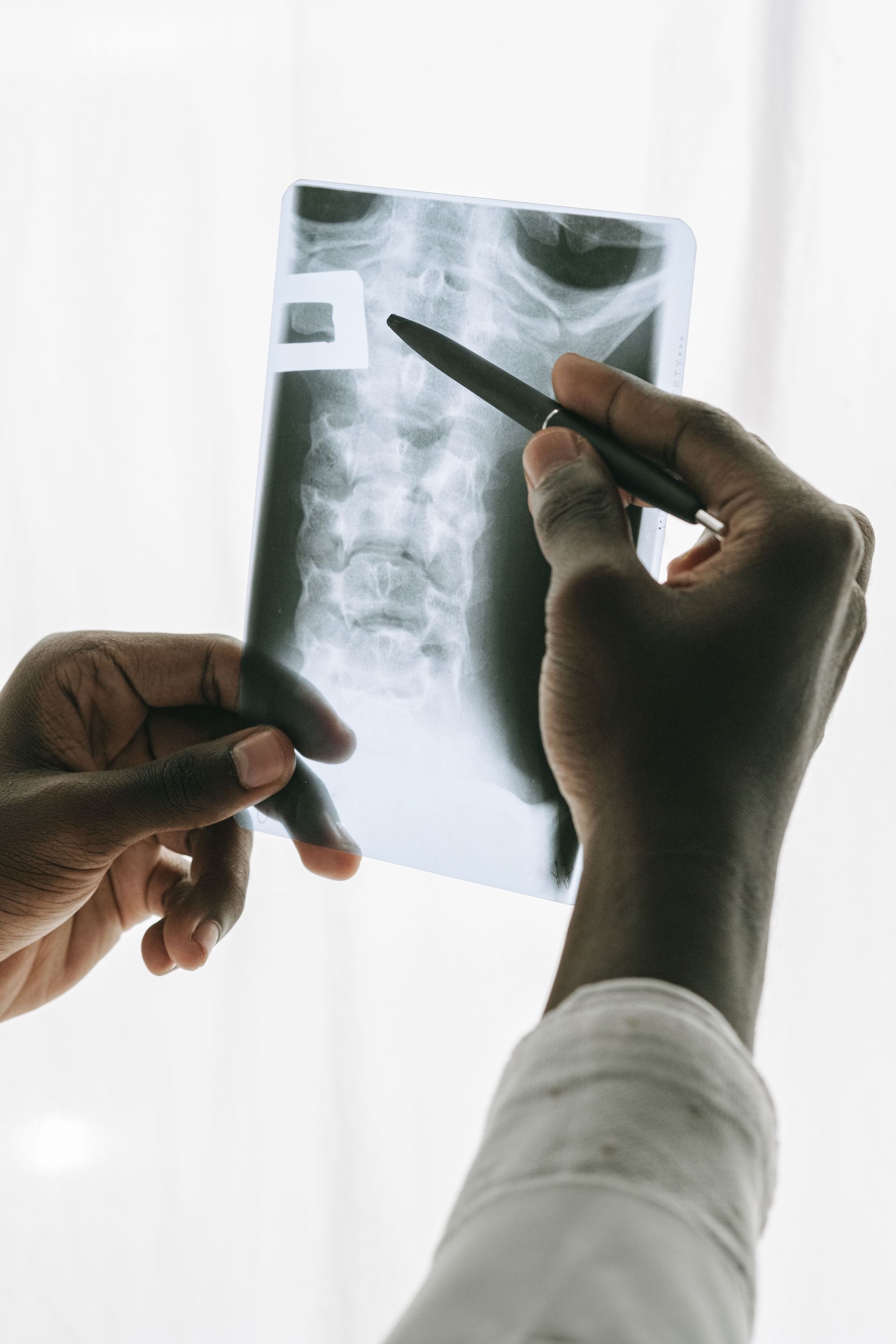
What Causes Lower Back Pain? | San Antonio Spine Specialist
What Causes Lower Back Pain?
Lower back pain is one of the most common reasons people seek medical care. It can range from mild discomfort to severe pain that affects daily activities. Understanding the cause of lower back pain is an important step in determining the most appropriate treatment.
In many cases, lower back pain develops due to underlying spine conditions, muscle strain, or age-related changes in the spine. While some cases improve with rest, others may require evaluation by a spine specialist.
Common Causes of Lower Back Pain
Several conditions can contribute to lower back pain. Some of the most common causes include:
A herniated disc occurs when the inner portion of a spinal disc pushes outward and places pressure on nearby nerves. This can cause lower back pain as well as pain that radiates into the legs.
Sciatica occurs when the sciatic nerve becomes compressed or irritated. This often causes pain that travels from the lower back into the buttock and down the leg, sometimes accompanied by numbness or tingling.
As the spine ages, discs can lose height and flexibility. This process, known as degenerative disc disease, may lead to chronic lower back pain and stiffness.
Spinal stenosis occurs when the spinal canal narrows and places pressure on nerves. This can cause lower back pain, as well as leg pain or difficulty walking.
Muscle Strain or Injury
Muscle strain is one of the most common causes of lower back pain. It can occur from lifting heavy objects, sudden movements, or overuse of the muscles supporting the spine.
When Is Lower Back Pain Serious?
While many cases of lower back pain improve over time, certain symptoms may indicate a more serious underlying condition.
You should consider seeing a spine specialist if you experience:
• pain lasting more than several weeks
• pain that radiates into the legs
• numbness or tingling
• muscle weakness
• difficulty walking or standing
Patients in San Antonio experiencing persistent or worsening symptoms may benefit from a professional evaluation.
How Lower Back Pain Is Diagnosed
A spine specialist will begin with a comprehensive evaluation, including a review of symptoms and medical history. A physical exam may be performed to assess mobility, strength, and nerve function.
Imaging studies such as MRI or CT scans may be recommended to identify underlying spine conditions.
Treatment Options for Lower Back Pain
Treatment depends on the underlying cause of pain. Many patients improve with conservative care, including:
• physical therapy
• activity modification
• anti-inflammatory medications
• targeted injections
If symptoms persist, additional treatment or surgical options may be considered.
When to See a Spine Specialist in San Antonio
If lower back pain continues to interfere with your daily life, a spine evaluation can help determine the cause and appropriate treatment options.
Learn more about lower back pain treatment in San Antonio.
Schedule a Consultation
If you are experiencing persistent lower back pain, the team at MD Spine Care in San Antonio can evaluate your condition and recommend appropriate care.
Watch & Learn: Spine Health Video Library
Understand your symptoms, explore treatment options, and hear directly from our spine specialists.
Back Pain Causes & Treatment
Spine Treatments & Procedure Options