
Hair Restoration Is Entering a New Era: Could Regenerative Medicine Be the Future?
Hair Restoration
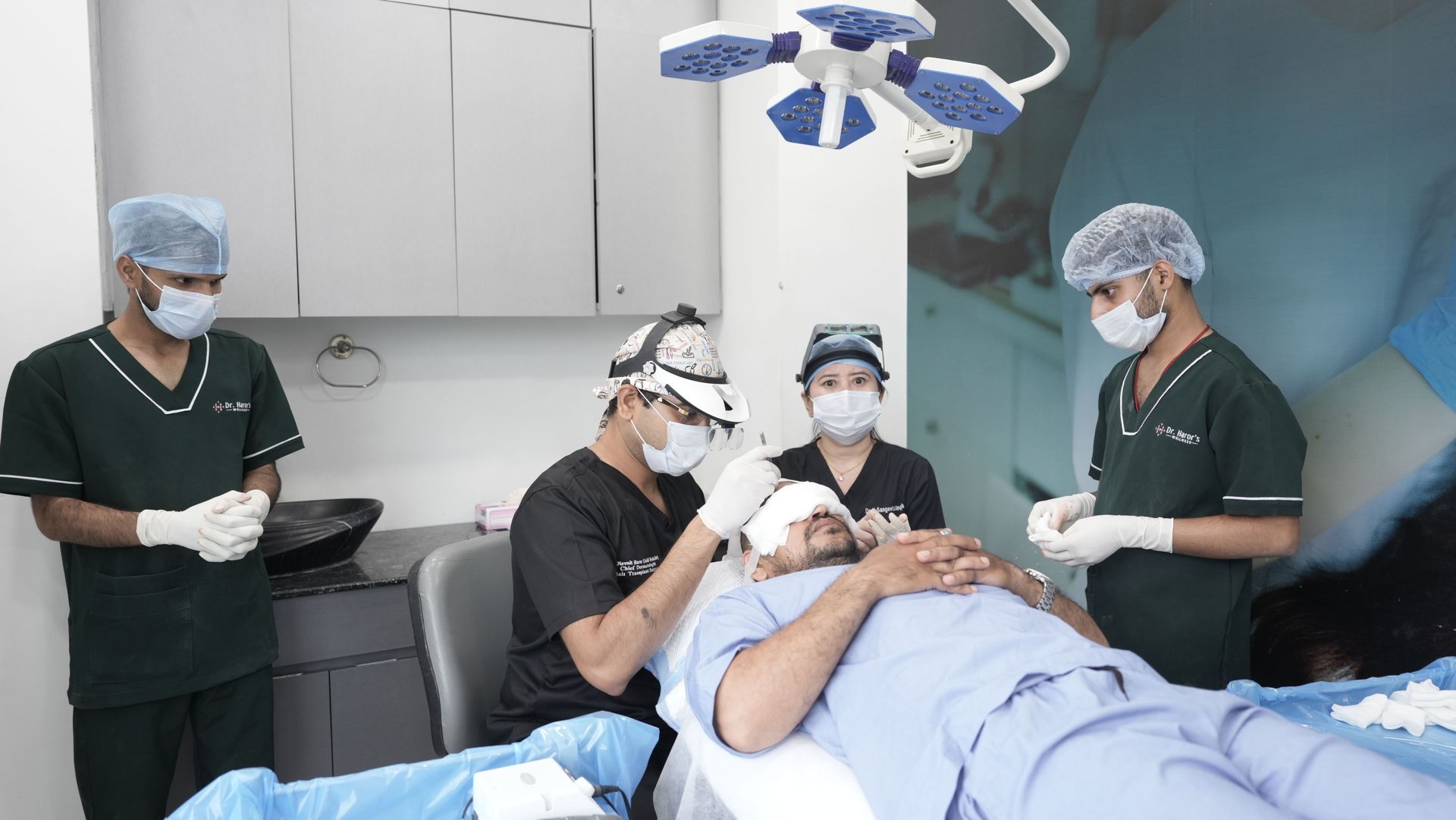
Hair loss affects millions of men and women worldwide, often impacting far more than
appearance. For many, it can influence confidence, self-image, and overall quality of life. While
traditional treatments have helped slow hair loss or temporarily improve hair density, advances
in regenerative medicine are opening the door to a new way of thinking about hair
restoration—one that focuses on supporting the health of the hair follicle itself.
Looking Beyond Traditional Hair Loss Treatments
Conventional hair restoration options have primarily focused on treating the symptoms of hair
loss. Medications, topical solutions, and surgical hair transplants have helped many patients
achieve positive results, but they may not be suitable for everyone.
Today, medical research is exploring a different approach: understanding the biology behind hair
growth and identifying ways to support the body's natural regenerative processes.
One of the most exciting areas of investigation involves stem cells derived from umbilical cord
tissue and umbilical cord blood.
Understanding the Science Behind Hair Growth
Healthy hair begins deep within the scalp, inside tiny structures called hair follicles. These
follicles rely on a complex environment of growth factors, signaling molecules, blood supply, and
healthy surrounding tissue to produce strong, healthy hair.
As we age—or due to genetics, hormonal changes, stress, inflammation, or certain medical
conditions—this environment can become compromised. Hair follicles may gradually shrink,
produce thinner strands, or stop generating new hair altogether.
Rather than simply addressing visible hair loss, regenerative medicine seeks to create
conditions that may help support healthier follicular function.
Why Umbilical Cord-Derived Stem Cells Are Generating Interest
Umbilical cord tissue and cord blood are rich in biologically active cells and naturally occurring
growth factors that researchers are studying for their regenerative potential.
Scientists are investigating whether these cells may help:
● Support healthy cellular communication
● Encourage tissue repair and regeneration
● Promote a healthier scalp environment
● Reduce inflammatory responses that may contribute to hair follicle dysfunction
● Stimulate the body's own healing mechanisms
Although research continues to evolve, these regenerative properties have generated growing
interest across multiple medical specialties—including orthopedics, wound care, sports
medicine, and now hair restoration.
A Regenerative Approach to Hair Restoration
Instead of focusing solely on replacing lost hair, regenerative medicine explores whether the
scalp itself can be supported at the cellular level.
The goal is to help create an environment where hair follicles may function more effectively,
potentially encouraging healthier and stronger hair growth over time.
Every patient's biology is unique, which is why regenerative therapies are typically personalized
after a comprehensive medical evaluation.
The Importance of Evidence-Based Care
As excitement around regenerative medicine continues to grow, it's important for patients to
seek providers who emphasize science, patient safety, and realistic expectations.
Hair restoration is not a one-size-fits-all solution. Factors such as genetics, hormonal health,
nutrition, age, lifestyle, and overall wellness all play an important role in treatment planning.
Working with experienced medical professionals helps ensure patients receive guidance based
on the latest clinical research and individualized care.
The Future of Hair Restoration
The field of regenerative medicine is advancing rapidly. While research involving umbilical
cord-derived stem cells continues to develop, early scientific exploration suggests that
supporting hair follicle biology—rather than simply masking hair loss—could represent an
exciting shift in the future of hair restoration.
As our understanding of cellular regeneration expands, patients may have access to
increasingly innovative options designed to support long-term scalp health and natural hair
growth.
Take the First Step Toward Healthier Hair
If you're experiencing thinning hair or hair loss, you don't have to navigate your options alone.
Learning about regenerative medicine and emerging advancements may help you make
informed decisions about your hair restoration journey.
At MD Spine Care, we are committed to staying at the forefront of innovative regenerative
therapies while providing compassionate, patient-centered care. Our team believes in educating
patients, exploring evidence-based treatment options, and creating personalized care plans
designed around individual needs.
Your hair restoration journey begins with understanding what's possible—and the future of
regenerative medicine is just getting started.
Ready to learn more? Click the button below to explore our regenerative medicine
services or schedule a consultation with our experienced team. Together, let's discover the next
generation of hair restoration.
Watch & Learn: Spine Health Video Library
Understand your symptoms, explore treatment options, and hear directly from our spine specialists.
Back Pain Causes & Treatment
Spine Treatments & Procedure Options